What a Class 1 Driving Licence Is and How You Get One
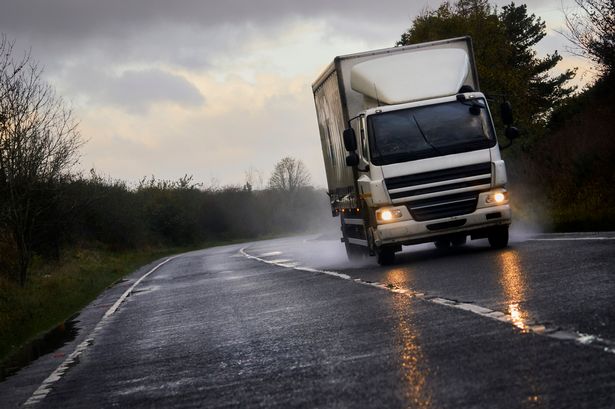
Job adverts for lorry drivers still ask for Class 1 and Class 2 licences, even though the names disappeared from licences years ago. Newcomers see those terms next to codes such as C and C+E and are left wondering which one they actually need. A short translation clears up most of the confusion and makes it much easier to plan the route from a car licence to the job you want.
What the old names mean
A Class 1 driving licence is the traditional name for category C+E, the entitlement to drive an articulated lorry. Class 2 is the older name for category C, a rigid lorry over 3.5 tonnes without a heavy trailer. Employers and drivers still use the old labels in conversation, so it helps to know both. When an advert asks for Class 1, it means the driver must hold the articulated category.
What the entitlement allows
Category C+E permits you to drive a rigid lorry over 3.5 tonnes with a trailer over 750kg, and the most common example is a tractor unit pulling a semi-trailer. Passing the test in an articulated lorry also gives you the right to drive the smaller categories, including a rigid lorry and a medium-sized lorry. That makes it the most flexible lorry licence, which is why so many longer-distance and bulk haulage jobs ask for it.
Choosing your route
For many years, the rule was that you had to pass a rigid lorry test before you could take one in an articulated vehicle. Since November 2021 you can learn and test in an articulated lorry without passing the rigid test first. That gives you two sensible routes. You can go straight to the articulated category, which is quicker and avoids paying for two sets of tests. Or you can start with a rigid lorry and add the articulated entitlement later, which spreads the cost, lets you start earning sooner and gives you time to build confidence.
Neither route is better for everyone. If you are certain you want articulated work, the direct route makes sense. If you are less sure, or would like to start earning sooner, the step-by-step route has appeal. A good training provider will discuss your plans before recommending one.
What the practical test involves
The practical side has two parts. The first is an off-road assessment in which you reverse the vehicle and uncouple and recouple the trailer. The second is an on-road drive, where an examiner watches how you handle junctions, roundabouts, traffic and the size of the vehicle. If you intend to drive professionally, there is also the Driver CPC practical demonstration, which covers topics such as vehicle safety checks, loading and emergency procedures.
Mastering coupling and uncoupling
Many candidates find the coupling and uncoupling exercise the most demanding element, not because it is physically hard but because it has a strict order. A routine that you repeat the same way every time is far more reliable than trying to remember steps under pressure. Ask your instructor to break the sequence into stages, practise it until the order feels natural, and remember that safety checks form part of the procedure rather than an afterthought.
Before you start
You need to be at least 18 and hold a full car licence, pass the medical on a D4 form and apply for provisional entitlement through the DVLA. The theory elements come next, followed by practical training. Ask about group sizes, vehicle types and how much time you personally spend at the wheel, and request a written breakdown of all costs, including test fees and the price of a retest.
Once you understand that Class 1 simply means the articulated category, the path is clear. The decision that remains is whether to go direct or step by step, and that depends on how certain you are about the work you want.